John · Young's Literal Translation
John 1: In the Beginning Was the Word
The Word becomes flesh; John the Baptist hails Jesus as the Lamb of God, and disciples follow him.
The Gospel according to John
John is the most distinctive of the four Gospels. Instead of a birth story it opens with a hymn: 'In the beginning was the Word… And the Word was made flesh, and dwelt among us.' Jesus works fewer miracles, which John calls 'signs', beginning with water turned into wine at a wedding in Cana and building to the raising of Lazarus from the dead. Instead of short parables he speaks in long discourses and 'I am' sayings: the bread of life, the light of the world, the good shepherd, the resurrection and the life. Only here do we meet Nicodemus by night, the Samaritan woman at the well, Jesus washing his disciples' feet, and doubting Thomas. St. John the apostle, 'the disciple whom Jesus loved', wrote it. His symbol is an eagle, for the soaring opening.
Listen: Messiah, George Frideric Handel
1In the beginning was the Word, and the Word was with God, and the Word was God; 2this one was in the beginning with God; 3all things through him did happen, and without him happened not even one thing that hath happened. 4In him was life, and the life was the light of men, 5and the light in the darkness did shine, and the darkness did not perceive it.
6There came a man — having been sent from God — whose name [is] John, 7this one came for testimony, that he might testify about the Light, that all might believe through him; 8that one was not the Light, but — that he might testify about the Light. 9He was the true Light, which doth enlighten every man, coming to the world;
10in the world he was, and the world through him was made, and the world did not know him: 11to his own things he came, and his own people did not receive him; 12but as many as did receive him to them he gave authority to become sons of God — to those believing in his name, 13who — not of blood nor of a will of flesh, nor of a will of man but — of God were begotten.
14And the Word became flesh, and did tabernacle among us, and we beheld his glory, glory as of an only begotten of a father, full of grace and truth.
15John doth testify concerning him, and hath cried, saying, 'This was he of whom I said, He who after me is coming, hath come before me, for he was before me;'
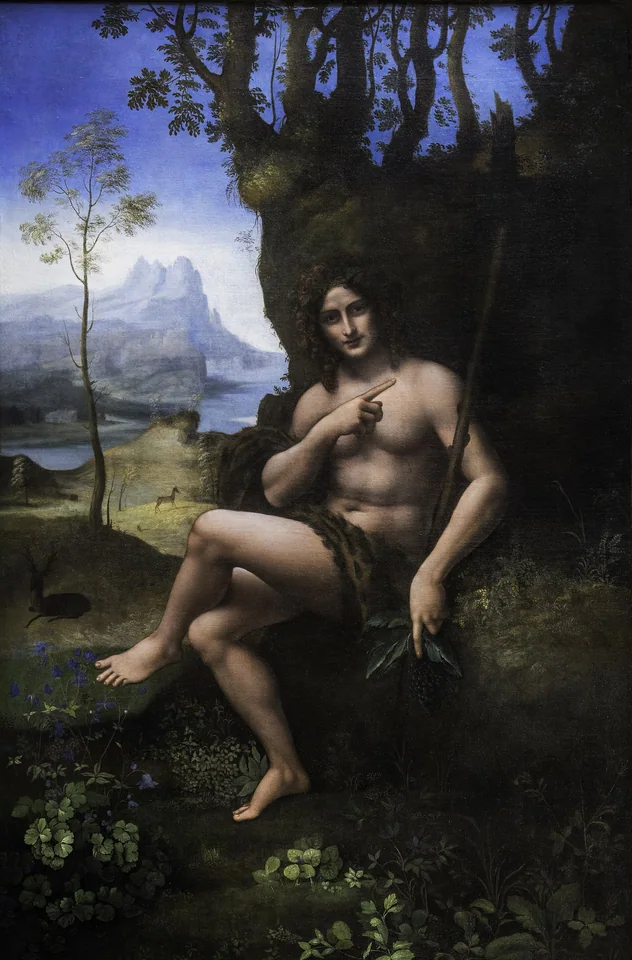
16and out of his fulness did we all receive, and grace over-against grace; 17for the law through Moses was given, the grace and the truth through Jesus Christ did come; 18God no one hath ever seen; the only begotten Son, who is on the bosom of the Father — he did declare.
19And this is the testimony of John, when the Jews sent out of Jerusalem priests and Levites, that they might question him, 'Who art thou?'
20and he confessed and did not deny, and confessed — 'I am not the Christ.'
21And they questioned him, 'What then? Elijah art thou?' and he saith, 'I am not.' — 'The prophet art thou?' and he answered, 'No.'
22They said then to him, 'Who art thou, that we may give an answer to those sending us? what dost thou say concerning thyself?'
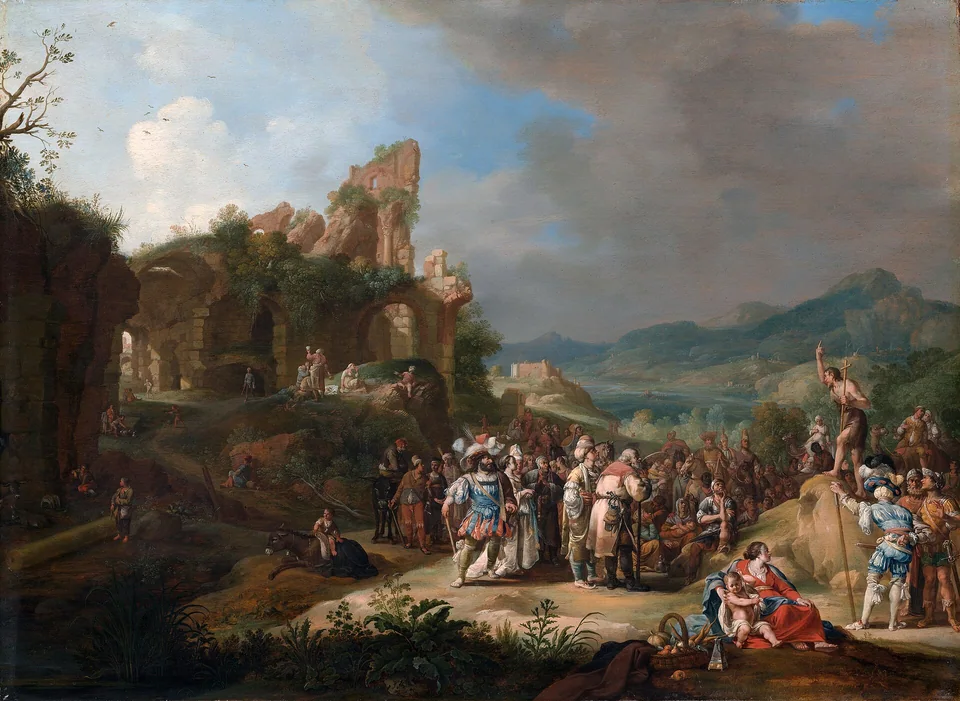
23He said, 'I [am] a voice of one crying in the wilderness: Make straight the way of the Lord, as said Isaiah the prophet.'
24And those sent were of the Pharisees, 25and they questioned him and said to him, 'Why, then, dost thou baptize, if thou art not the Christ, nor Elijah, nor the prophet?'
26John answered them, saying, 'I baptize with water, but in midst of you he hath stood whom ye have not known, this one it is who is coming after me, who hath been before me, 27of whom I am not worthy that I may loose the cord of his sandal.' 28These things came to pass in Bethabara, beyond the Jordan, where John was baptizing,
29on the morrow John seeth Jesus coming unto him, and saith, 'Lo, the Lamb of God, who is taking away the sin of the world;
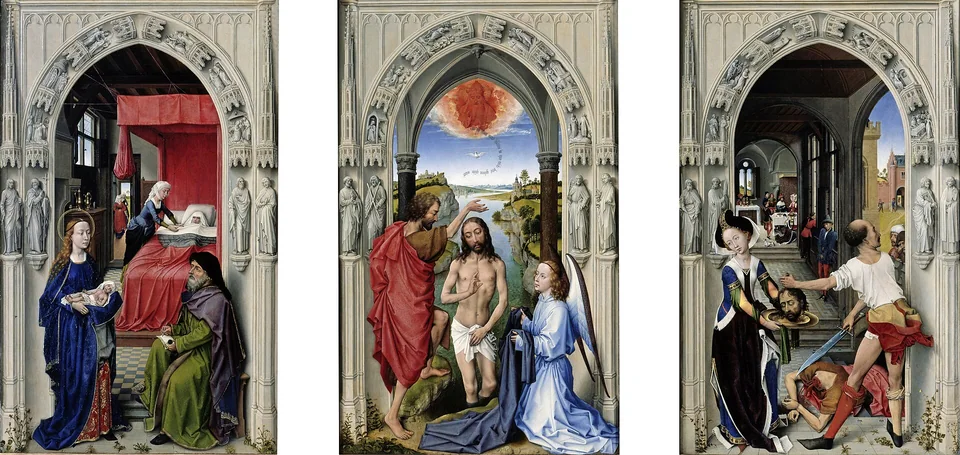
30this is he concerning whom I said, After me doth come a man, who hath come before me, because he was before me: 31and I knew him not, but, that he might be manifested to Israel, because of this I came with the water baptizing. 32And John testified, saying — 'I have seen the Spirit coming down, as a dove, out of heaven, and it remained on him; 33and I did not know him, but he who sent me to baptize with water, He said to me, On whomsoever thou mayest see the Spirit coming down, and remaining on him, this is he who is baptizing with the Holy Spirit; 34and I have seen, and have testified, that this is the Son of God.'
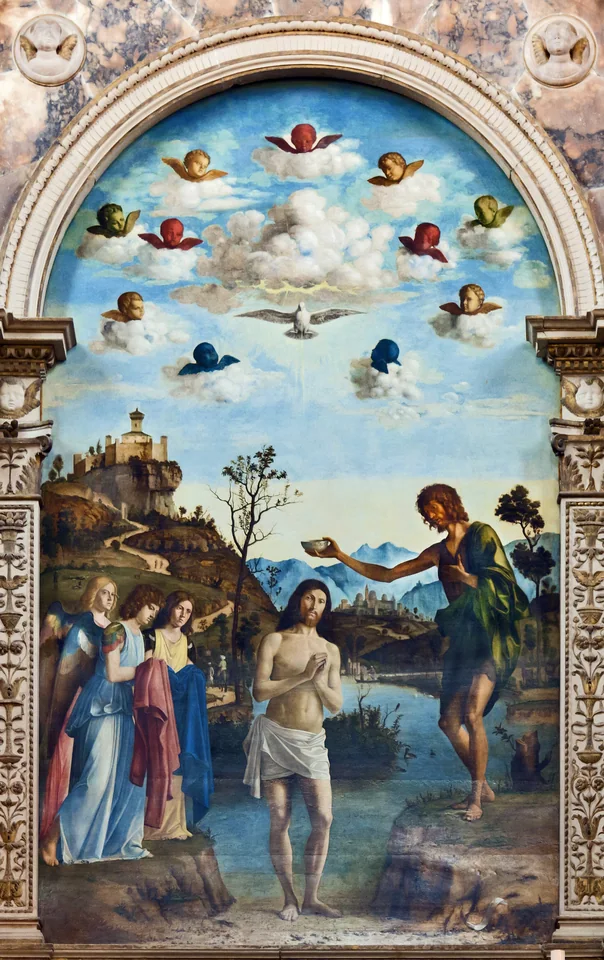
35On the morrow, again, John was standing, and two of his disciples, 36and having looked on Jesus walking, he saith, 'Lo, the Lamb of God;'
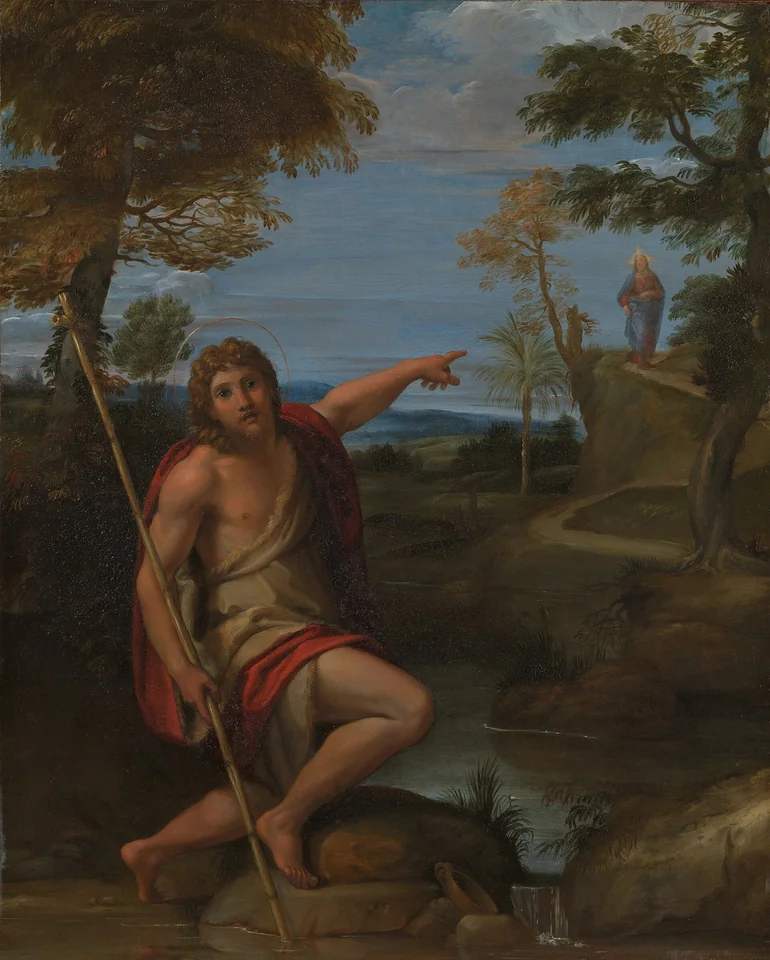
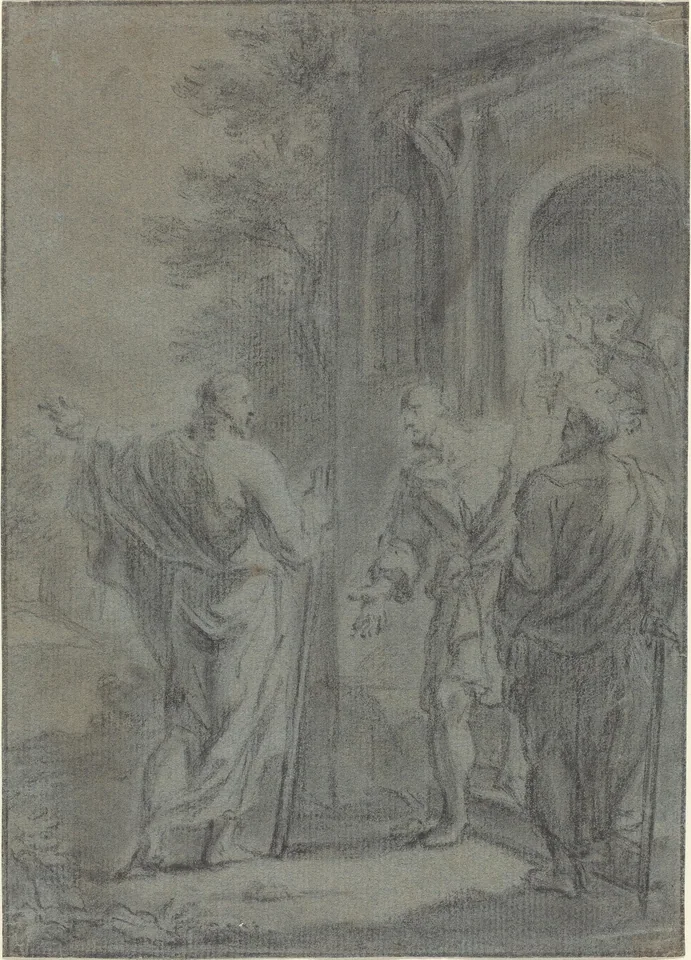
37and the two disciples heard him speaking, and they followed Jesus. 38And Jesus having turned, and having beheld them following, saith to them, 'What seek ye?' and they said to them, 'Rabbi, (which is, being interpreted, Teacher,) where remainest thou?'
39He saith to them, 'Come and see;' they came, and saw where he doth remain, and with him they remained that day and the hour was about the tenth.
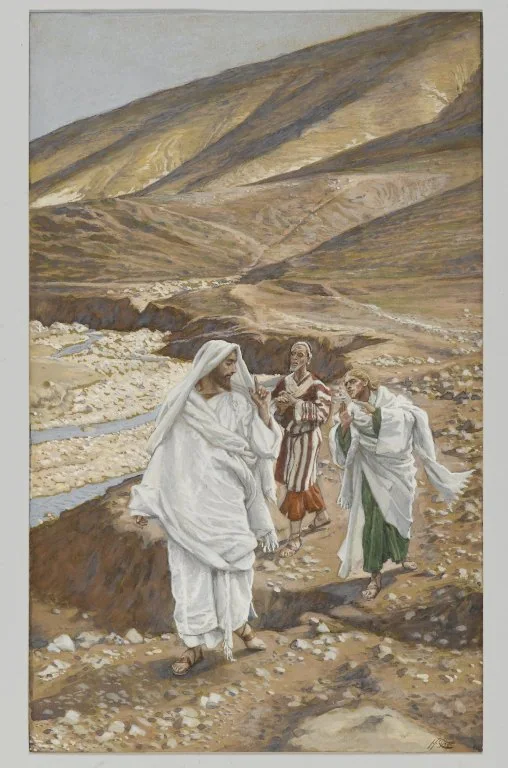
40Andrew, the brother of Simon Peter, was one of the two who heard from John, and followed him;
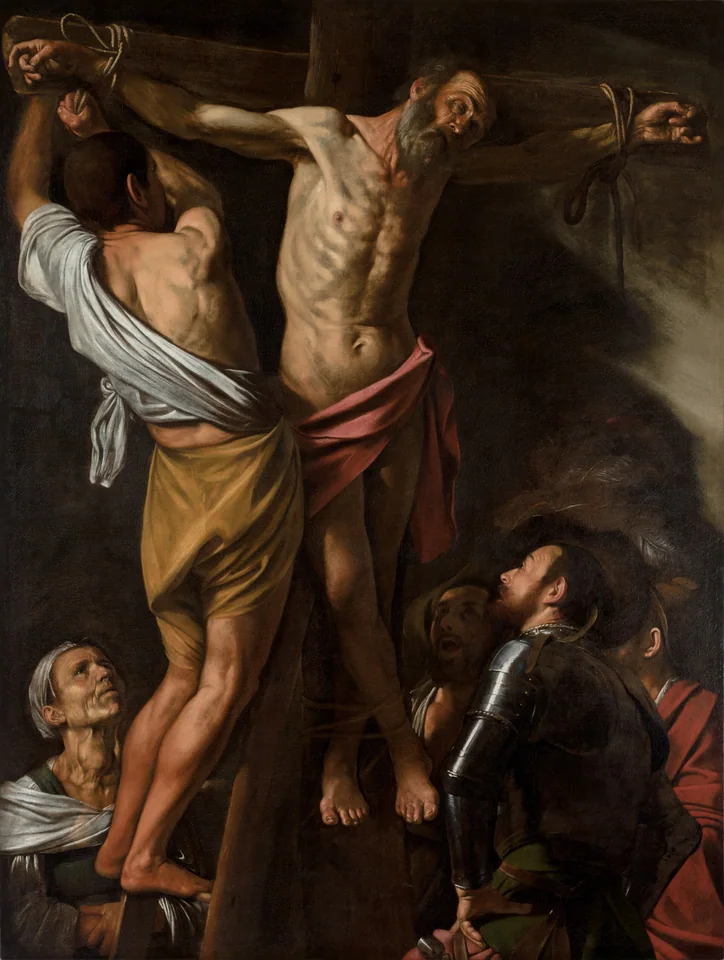
41this one doth first find his own brother Simon, and saith to him, 'We have found the Messiah,' (which is, being interpreted, The Anointed,) 42and he brought him unto Jesus: and having looked upon him, Jesus saith, 'Thou art Simon, the son of Jonas, thou shalt be called Cephas,' (which is interpreted, A rock.)
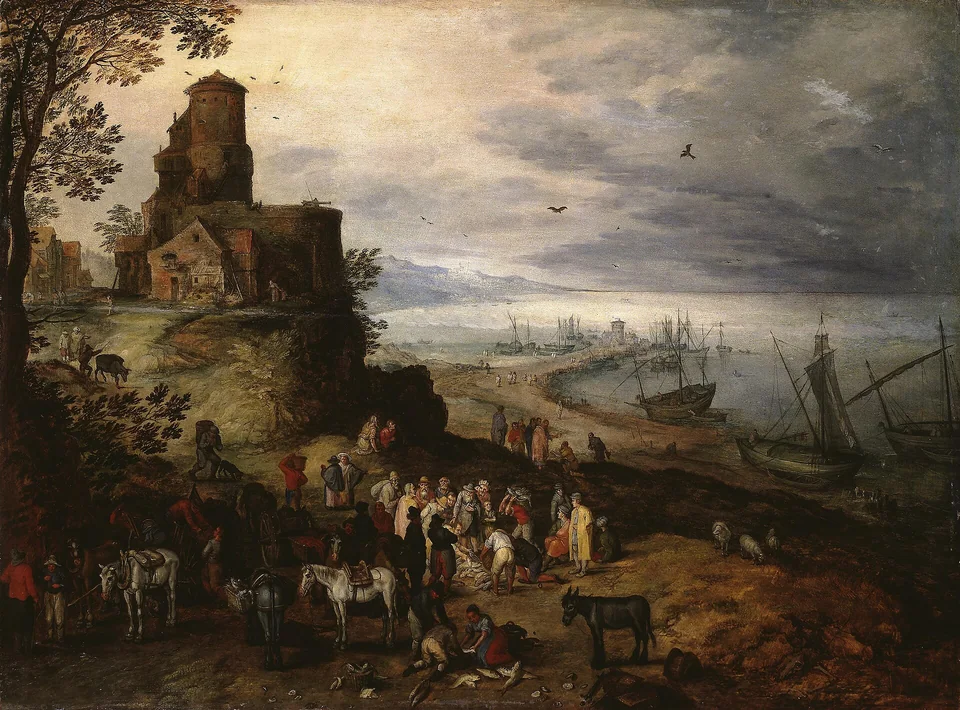
43On the morrow, he willed to go forth to Galilee, and he findeth Philip, and saith to him, 'Be following me.' 44And Philip was from Bethsaida, of the city of Andrew and Peter; 45Philip findeth Nathanael, and saith to him, 'Him of whom Moses wrote in the Law, and the prophets, we have found, Jesus the son of Joseph, who [is] from Nazareth;'
46and Nathanael said to him, 'Out of Nazareth is any good thing able to be?' Philip said to him, 'Come and see.'
47Jesus saw Nathanael coming unto him, and he saith concerning him, 'Lo, truly an Israelite, in whom guile is not;'
48Nathanael saith to him, 'Whence me dost thou know?' Jesus answered and said to him, 'Before Philip's calling thee — thou being under the fig-tree — I saw thee.'
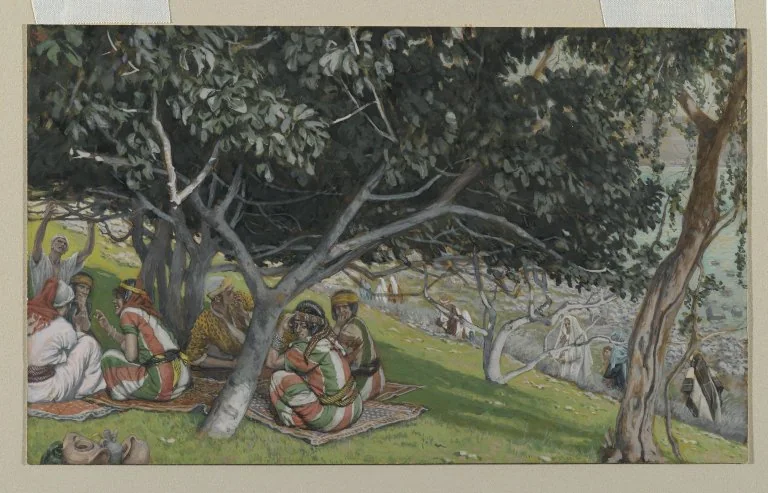
49Nathanael answered and saith to him, 'Rabbi, thou art the Son of God, thou art the king of Israel.'
50Jesus answered and said to him, 'Because I said to thee, I saw thee under the fig-tree, thou dost believe; greater things than these thou shalt see;' 51and he saith to him, 'Verily, verily, I say to you, henceforth ye shall see the heaven opened, and the messengers of God going up and coming down upon the Son of Man.'